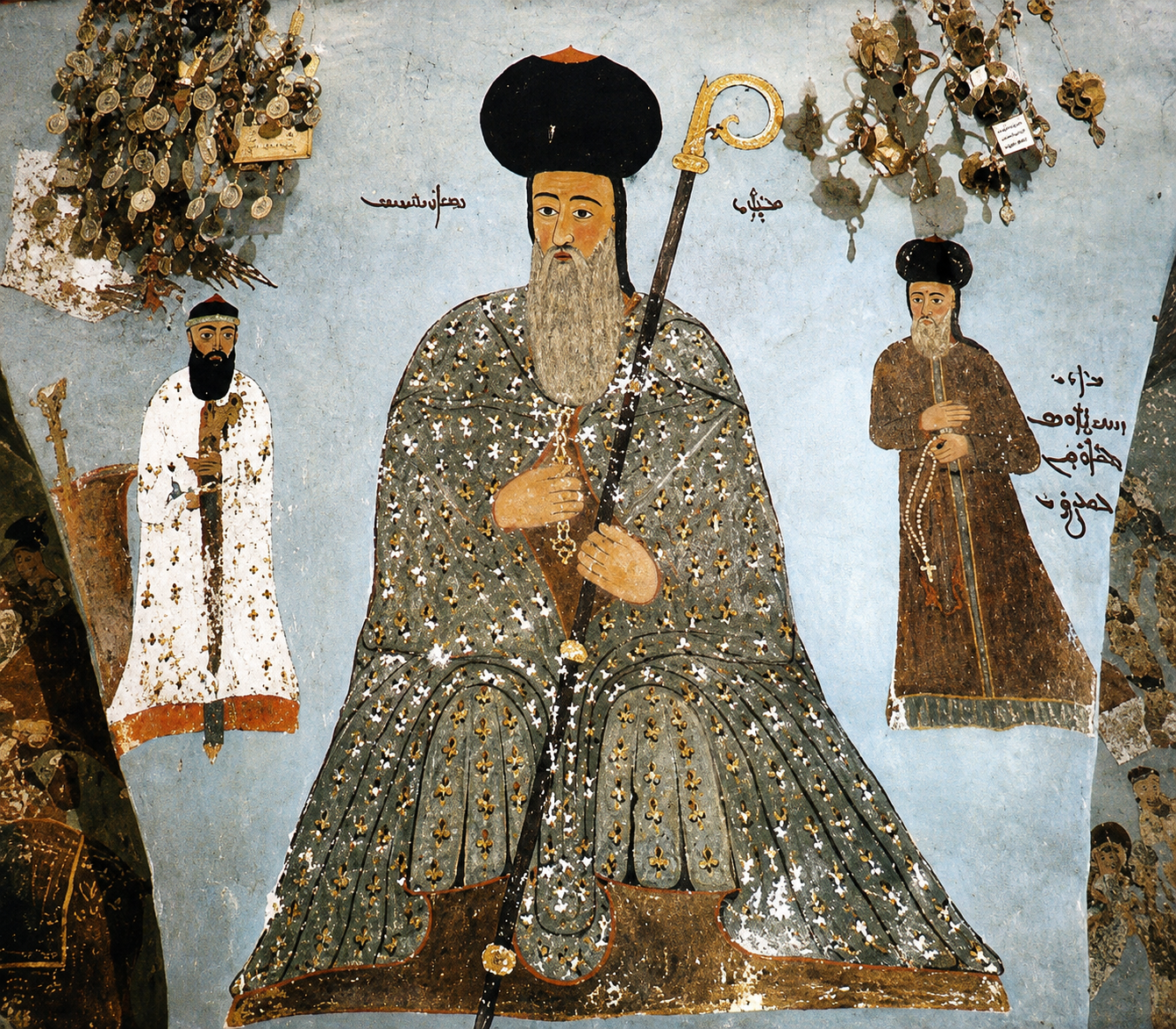
| c. 465 | — | Born at Sozopolis in Pisidia, in southern Asia Minor, into a prosperous family. Older scholarship sometimes gives c. 456, so the birth date should not be treated as certain. Severus indicates that his family background was pagan, despite later attempts to associate his family closely with Christianity. |
| c. 465–485 | 0–20 | Childhood and early education in Pisidia. His father died while Severus was still relatively young. His mother subsequently arranged advanced education for Severus and his two elder brothers. |
| c. 485 | ~20 | Sent to Alexandria. Severus went with his brothers to study Greek and Latin grammar and rhetoric, preparation for the legal career intended for him. |
| c. 485–486 | ~20–21 | Meets Zacharias Scholasticus, the future bishop Zacharias of Mytilene, who later wrote the earliest surviving Life of Severus. Their friendship becomes important for Severus’s movement towards Christianity. |
| Alexandrian period | | Severus remained fascinated by classical literature, particularly the rhetorician Libanius. His Christian friends encouraged him to read Basil of Caesarea and Gregory Nazianzen instead. Zacharias later portrays Severus as participating with Christian students in opposition to surviving pagan religious practices. |
| Autumn c. 486/487 | ~21–22 | Moves to Berytus (Beirut) to study at its celebrated imperial law school. Zacharias followed approximately a year later. |
| c. 487–488 | ~22–23 | Intensive legal studies. Severus studied Roman law during the working week while increasingly devoting weekends and free time to Scripture and the Fathers. Zacharias describes the two studying Basil, Gregory Nazianzen and other Christian writers together. |
| c. 487–488 | | Severus becomes associated with a Christian circle of students, including Evagrius, who would become particularly important in his conversion and baptism. |
| c. 488 | ~23 | Conversion becomes decisive. Severus asks Zacharias how he might be saved and begins more systematic Christian instruction. |
| c. 488 | ~23 | Catechumenate. His preparation included the catechetical writings of Cyril of Jerusalem, Gregory of Nyssa and John Chrysostom. |
| c. 488 | ~23 | Baptised at the shrine/church of St Leontius at Tripolis in Phoenicia. Evagrius acts as his sponsor or spiritual father. This is one of the decisive turning points in Severus’s life. |
| c. 488–491 | ~23–26 | Completes his legal studies at Beirut. His course appears to have lasted approximately five years. He reportedly composed a work on Roman law and qualified as a lawyer. His later theological writings retain something of the precision and argumentative structure of his legal education. |
| c. 490/491 | ~25 | Sets out intending to pursue a secular legal career. He initially planned to return to Pisidia and practise law. |
| c. 490/491 | | Pilgrimage through Syria and Palestine. His journey included the shrine of Leontius, Emesa and Jerusalem. Contact with the ascetic movement of Palestine changes the direction of his life completely. |
| c. 491 | ~26 | Becomes a monk near Maiuma/Gaza, entering the circle associated with Peter the Iberian, one of the major anti-Chalcedonian monastic leaders of Palestine. Severus therefore moves decisively into the theological tradition that would shape the remainder of his life. |
| 490s | late 20s | Embraces rigorous asceticism. Severus gives up the legal career for which he had been trained and adopts an extremely austere monastic life. |
| 490s | | Withdraws towards Eleutheropolis and lives a more solitary ascetic existence under the archimandrite Mamas. His austerities eventually damage his health. |
| Later 490s | ~30 | Illness forces him to moderate his asceticism. He recuperates at the monastery of Romanus near Maiuma. |
| Later 490s | | Ordained priest, traditionally by Epiphanius of Magydus. |
| c. late 490s–early 500s | ~30–40 | Receives his inheritance. Severus gives much of his share to the poor and uses part of his resources to establish his own monastery near Maiuma. He becomes an increasingly important figure among the anti-Chalcedonian monks of Palestine. |
| c. 500–507 | | Emerges as theologian and monastic leader. His conflicts with Chalcedonian opponents become increasingly significant. In particular, his controversy with the monk Nephalius, who had moved from anti-Chalcedonianism towards Chalcedon, helps push Severus into wider ecclesiastical politics. |
| c. 507/508 | ~42 | Anti-Chalcedonian monks around Gaza come under pressure. Severus becomes the principal representative of a large delegation sent to Constantinople to appeal against their treatment. |
| 508 | ~43 | Arrives in Constantinople, reportedly accompanied by a substantial body of Palestinian monks. His original purpose is essentially defensive: to obtain imperial protection for his monastic community. |
| 508–511 | ~43–46 | Three years in Constantinople. This transforms Severus from an important Palestinian monk into an imperial ecclesiastical figure. He gains access to Emperor Anastasius I, whose religious policy increasingly favours the anti-Chalcedonian cause. |
| 508–511 | | Works alongside the wider anti-Chalcedonian movement. Severus becomes one of its principal Greek-speaking theological representatives, while Philoxenus of Mabbug exercises enormous influence in Syria. |
| c. 509–510 | | Controversy with John of Claudiopolis and Nephalius. These debates are especially important for the development of Severus’s mature Christological arguments against Chalcedonian formulations. |
| 510–511 | | Severus becomes involved in the theological negotiations surrounding Anastasius’s attempt to preserve the Henotikon while moving imperial policy in a more explicitly anti-Chalcedonian direction. |
| 511 | ~46 | Macedonius II of Constantinople is deposed. Severus’s activities belong to the larger ecclesiastical realignment occurring under Anastasius, although it would be too simple to describe Severus alone as causing Macedonius’s deposition. |
| September 511 | ~46 | Leaves Constantinople and returns towards his monastery in Palestine. |
| 511/512 | | Present at the Synod of Sidon. Attempts to resolve the conflict surrounding Patriarch Flavian II of Antioch fail. Severus is now intimately involved in the ecclesiastical politics surrounding the Antiochene see. |
| 512 | ~47 | Flavian II of Antioch is deposed and exiled. Philoxenus of Mabbug plays a particularly prominent part in the campaign against him. |
| November 512 | ~47 | Severus is chosen to succeed Flavian as Patriarch of Antioch. A synod at Laodicea appears to have played a role in the process. |
| 16 November 512 | ~47 | Consecrated Patriarch of Antioch in the Great Church of Antioch. This date is particularly secure. He preaches the first of what become his 125 Cathedral Homilies. |
| 512–518 | ~47–53 | Patriarchate of Antioch. Although lasting less than six years, this is an extraordinarily productive period. Severus preaches, administers the patriarchate, corresponds extensively and produces major theological works. |
| 512–513 | | Sends synodical letters announcing his accession and theological position. He accepts the Henotikon as an ecclesiastical basis but interprets it through the theology of Cyril of Alexandria and explicitly rejects the doctrinal authority of Chalcedon and Leo’s Tome. |
| 513 onward | | Cathedral Homilies. Severus delivers the series of festal, exegetical, pastoral and doctrinal sermons for which his patriarchate is particularly well documented. His homilies also provide valuable evidence for the liturgical and social life of early sixth-century Antioch. |
| 513–518 | | Attempts to consolidate communion among anti-Chalcedonian bishops. His position is recognised in Alexandria and by significant sections of the eastern episcopate, but rejected by important Chalcedonian bishops and monastic communities. |
| Patriarchal years | | Severus nevertheless opposes extreme anti-Chalcedonian positions as well as Chalcedonianism. His opposition to Chalcedon does not entail acceptance of Eutychianism or a confusion of Christ’s humanity and divinity. |
| c. 515–518 | | Controversy with Sergius the Grammarian. Severus argues against formulations that he believes compromise the continuing reality and integrity of Christ’s humanity after the union. |
| 9 July 518 | ~53 | Emperor Anastasius dies. His successor, Justin I, immediately changes the ecclesiastical balance of the empire and moves towards reconciliation with Chalcedonian Rome. |
| 518 | | Severus comes under direct imperial threat. The new regime begins removing anti-Chalcedonian bishops. Eventually more than fifty bishops associated with the movement are displaced. |
| September 518 | ~53 | Severus secretly flees Antioch. His own surviving Letter on his Flight provides an important source for these events. |
| 518/519 | | Arrives in Egypt. He will spend almost all the remaining twenty years of his life there. From the imperial point of view he is now a deposed patriarch; from his own community’s perspective he remains the legitimate Patriarch of Antioch. |
| 519 | ~54 | The reunion between Constantinople and Rome associated with the Formula of Hormisdas confirms the new Chalcedonian imperial settlement. Severus’s return to Antioch becomes impossible under Justin I. |
| 519–527 | | First Egyptian exile. Severus lives in monasteries and private residences, moving when necessary for security. He continues an enormous correspondence with bishops, clergy, monks and laypeople across the eastern Mediterranean. |
| c. 520s | | Becomes one of the intellectual leaders of the anti-Chalcedonian communion. His physical exile actually expands his theological influence. His letters deal not only with Christology but with canon law, pastoral problems, sacraments, ecclesiastical discipline and relations between churches. |
| c. 520–527 | | Controversy with Julian of Halicarnassus. This becomes perhaps the most important internal anti-Chalcedonian controversy of Severus’s later life. |
| Julianist controversy | | Julian’s teaching concerning the incorruptibility of Christ’s body from the moment of the incarnation is rejected by Severus. Severus insists upon the genuine passibility, mortality and consubstantial humanity assumed by the Word. The dispute eventually produces separate Severan and Julianist communities. |
| 527 | ~62 | Justinian I becomes emperor. Imperial religious policy initially leaves open the possibility of some reconciliation with the anti-Chalcedonians. Empress Theodora is particularly sympathetic towards Severus and other anti-Chalcedonian leaders. |
| 527–534 | | Severus remains in Egypt but continues to exercise influence throughout the eastern churches. His authority becomes especially significant in the developing non-Chalcedonian hierarchy. |
| 535 | ~70 | Travels to Constantinople at Justinian’s invitation, together with figures including Peter of Apamea and the monk Zooras. Justinian hopes that theological negotiations may restore ecclesiastical unity. |
| 535–536 | | Severus at the imperial court. The accession of the sympathetic Anthimus I as Patriarch of Constantinople temporarily makes reconciliation appear possible. Severus, Anthimus and Theodosius of Alexandria share communion. |
| February–March 536 | | Pope Agapetus I arrives in Constantinople. Agapetus strongly opposes Anthimus and the anti-Chalcedonian influence at court. Anthimus is removed from the patriarchate and replaced by Menas. |
| 2 May–4 June 536 | ~71 | Synod of Constantinople. Severus, Anthimus, Peter of Apamea and Zooras are formally condemned and anathematised. |
| 6 August 536 | ~71 | Justinian ratifies the condemnation by imperial legislation. Severus’s writings are proscribed and their copying and circulation forbidden. |
| 536 | | Severus escapes Constantinople and returns to Egypt, apparently benefiting from Theodora’s protection. This is his final departure from the imperial capital. |
| 536–538 | ~71–73 | Final Egyptian exile. Despite age, illness and persecution, Severus continues writing and maintaining contact with the anti-Chalcedonian churches. |
| 538 | ~73 | Lives in the Egyptian Delta, associated particularly with the residence of Dorotheus at Sakha/Xois. Sources differ over some details of his final residence and death. |
| February 538 | ~73 | Death of Severus in Egypt. The precise day varies between traditions and sources: 5 February and 8 February 538 both occur in modern reconstructions. |
| After 538 | | His body is transferred to a monastery, with different traditions concerning the precise location and stages of translation. His relics and memory rapidly become important within the non-Chalcedonian communities of Egypt and Syria. |
| Later sixth century | — | Severus’s Greek writings are increasingly preserved through Syriac translation, particularly after the imperial condemnation of his works. This Syriac transmission ultimately preserves a substantial portion of his theological corpus that would otherwise have disappeared. |